The Japanese Paper Film Project
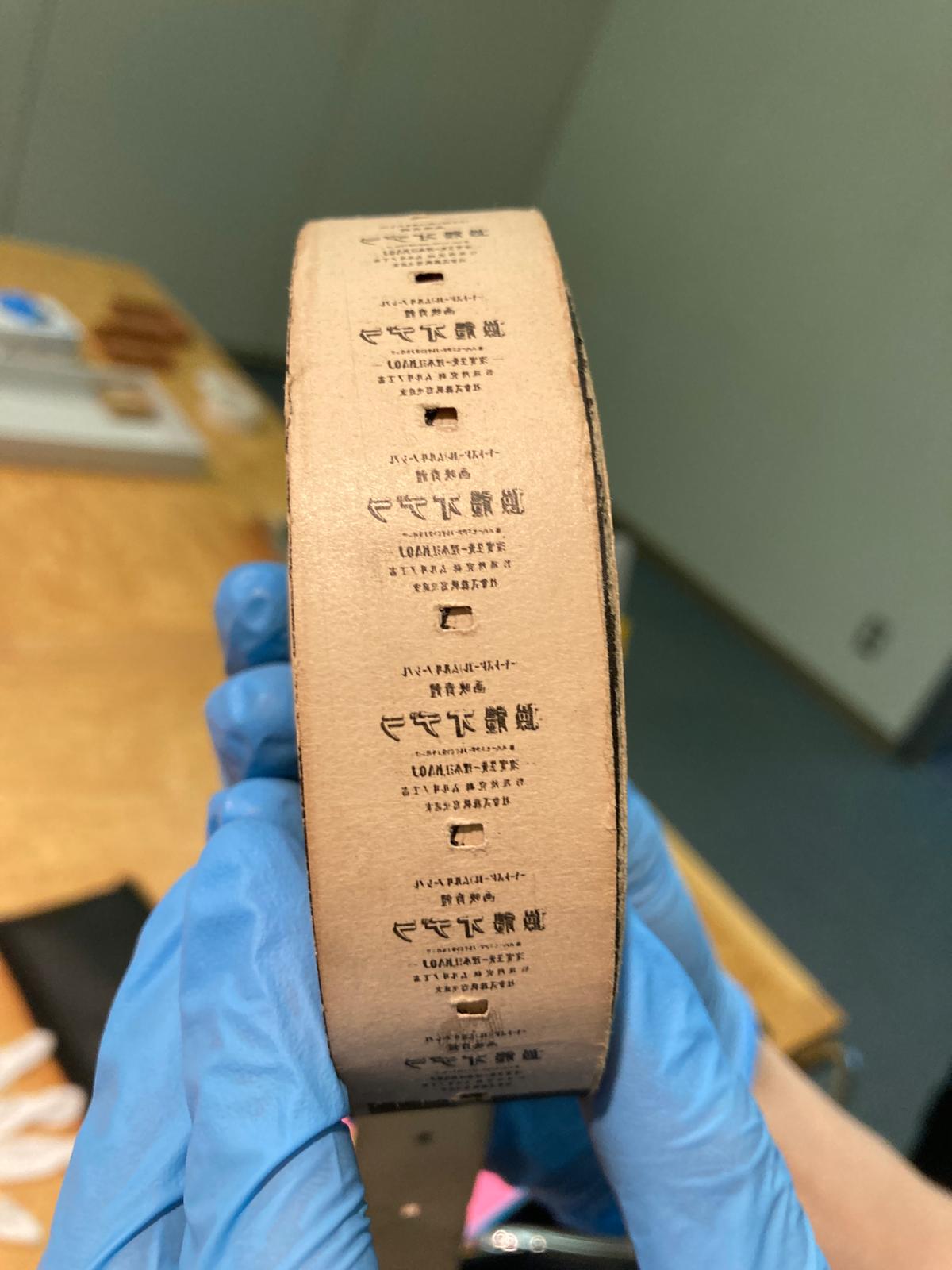
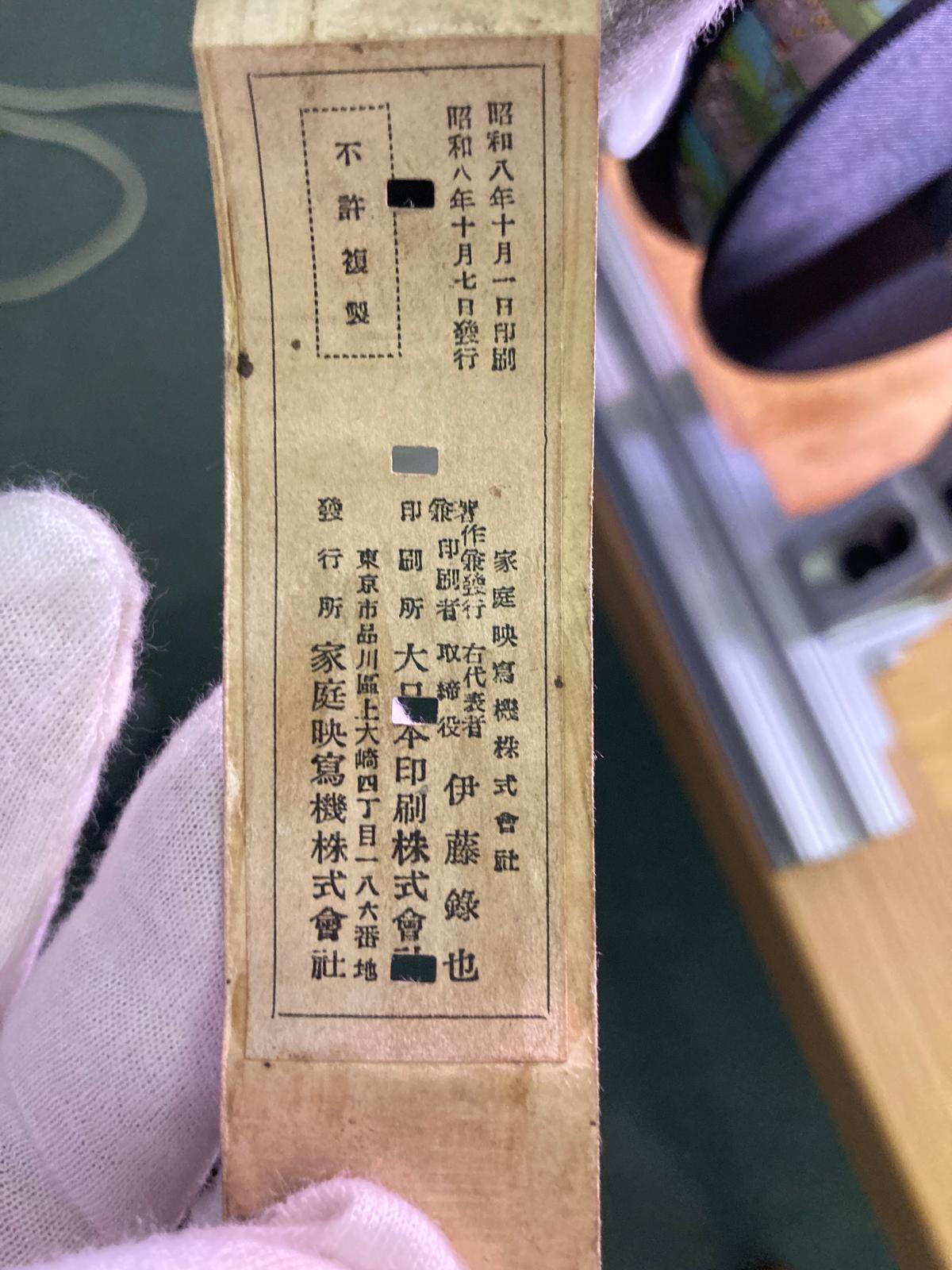
The Japanese Paper Film Project is a research and preservation initiative dedicated to protecting and digitizing rare Japanese films produced on paper rather than celluloid from the 1930s — "kami firmu". These films, consisting of primarily animated and live-action, were for the most part lost to history due to their fragile material. Based out of Bucknell University, the project combines skill sets from Japanese (Language & History), Film/Media Studies, Mechanical Engineering, and Computer Science to develop custom scanning and software tools to capture these unique artifacts from history and prevent their disappearance, presenting them in digital forms while maintaining their worn characteristics.
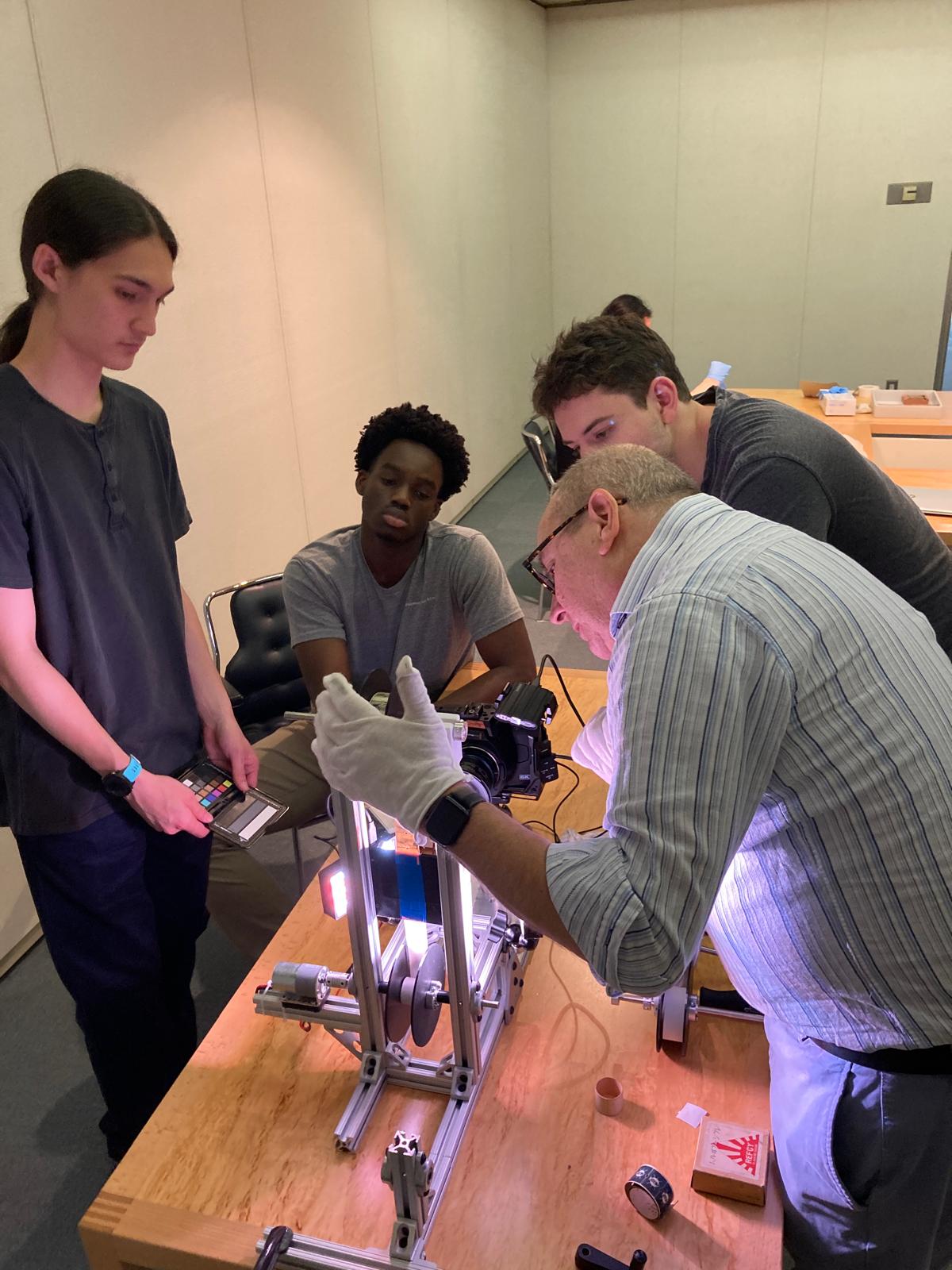
The first part of the preservation process begins with the scanning of films. Once the film is placed in the rig, we record a few seconds with a color calibration chart so that our film editors can later color grade the resulting films. After this, it's simply a matter of waiting until the entire roll is scanned.
We record all of our films in 6K at 60fps with a shutter speed of 1/480th of a second to ensure that we can get the most accurate color data without worrying about any motion blur.
Once the film data has been recorded it then needs to be converted back into a watchable film. To accomplish this, we pass films through custom software that I designed, based upon the framework set forth by Yuhan Chen (via a plugin created for DaVinci Resolve). This process overcomes the inconsistencies in the films' frame size, perforation locations, and condition.
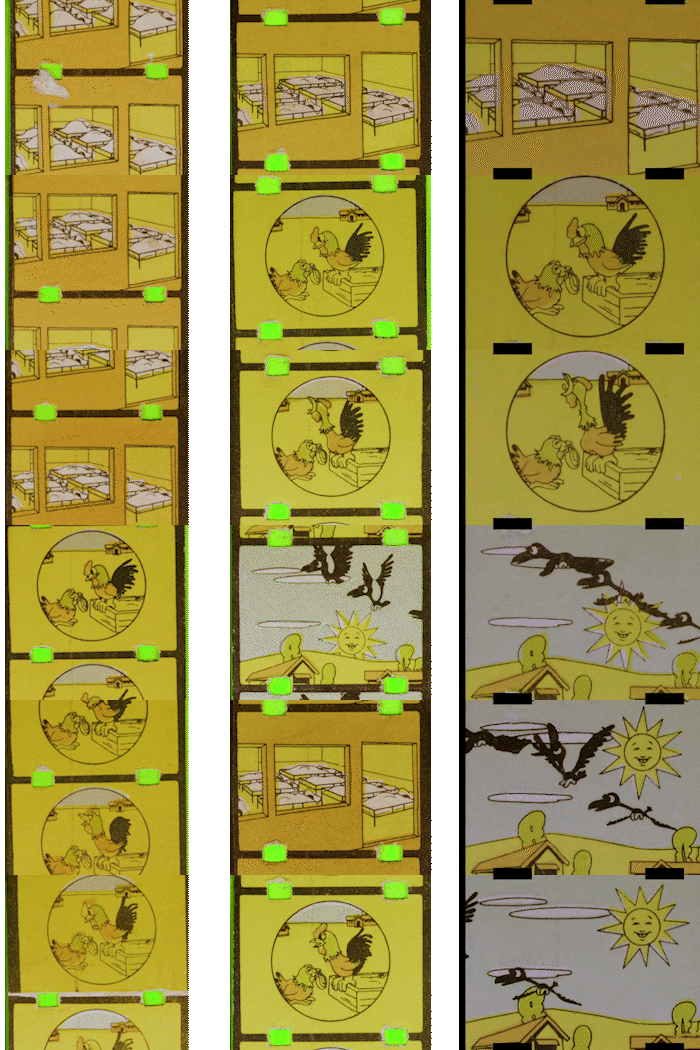
To accomplish this, the software uses a combination of filters and rankings to determine what is a 'good frame'. The first thing that the software attempts to look for are perforations (assuming that the film has them).
All the films are recorded with a specific color in the background that is not present in any films to our knowledge; with this, we can filter out any frames that don't contain perforations on both the top and bottom of the frame.
From here though, things get mildly trickier—due to the often poor condition of the films, tears can occasionally be misidentified as perforations. To reduce the occurrences of these in the cleaned videos, we get the image gradients of all remaining frames to identify horizontal lines. Based upon these, we score each image on how much it matches what we expect a frame line to look like.
Then, all these frames can be extracted and have some light stabilization applied before being sent to our film editors who add title cards, intertitles, subtitles, and do the final color grading.